

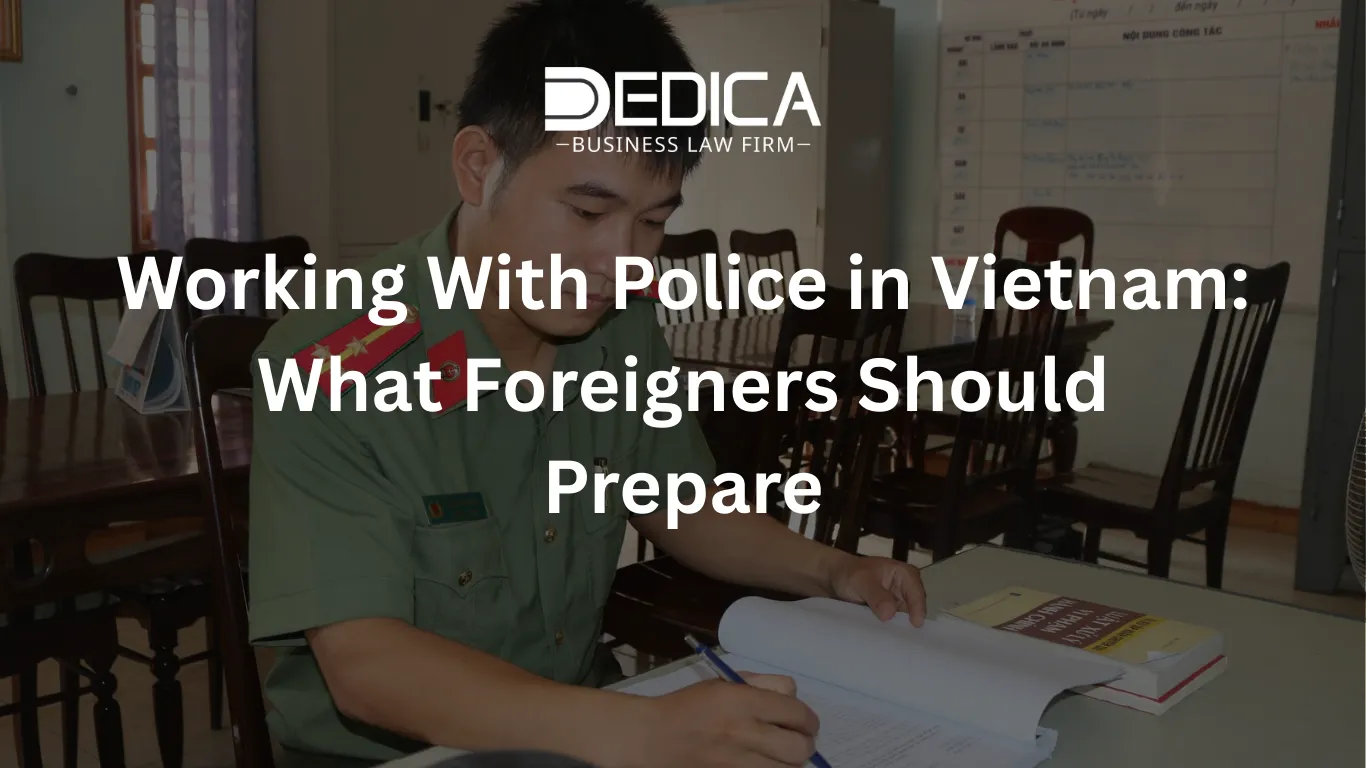
Being invited by the police to work, give statements, or participate in a criminal investigation in Vietnam can cause confusion, anxiety, and fear for many foreigners.
Will I be arrested? Should I sign the record? Do I need a lawyer to accompany me?
This article aims to help you stay calm, properly identify potential legal risks, understand your rights and obligations, and prepare safely before each working session with investigating authorities in Vietnam.
Understanding the Psychological Pressure and Legal Risks for Foreigners
For many foreigners, merely hearing the terms “investigating authority” or “police invitation to work” can already create significant psychological pressure. This is entirely understandable, as language barriers, differences in legal systems, and the fear of criminal liability in a foreign country often place individuals in a vulnerable and passive position.
In practice, under the current Vietnamese Criminal Procedure Code, an invitation to work may arise from various legal capacities: witness, victim, person with related rights and obligations, or a person reported or proposed for criminal prosecution.
Not every working session means that you are “guilty.” However, without proper preparation, you may unintentionally place yourself in a legally disadvantageous position.
Common fears among foreigners
- Not clearly understanding their legal capacity during the working session
- Fear of detention, temporary custody, or travel restrictions
- Fear of signing unfavorable documents or records due to misunderstanding Vietnamese
- Uncertainty about whether they have the right to remain silent or request a lawyer
If these fears are not properly addressed, they can lead to serious mistakes from the very first meeting with the authorities.
Why Is the First Working Session Especially Important?
In Vietnamese criminal procedure, initial statements carry significant evidentiary value. Although the law allows for amendments or supplements to statements, inconsistencies in later statements are often assessed unfavorably in practice.
Therefore, preparation is not about “avoiding responsibility,” but about protecting your legitimate rights and interests from the outset.
What Should Foreigners Prepare Before Working with Investigating Authorities?
Proper preparation not only helps reduce stress but also minimizes unnecessary legal risks. Below are the key issues foreigners should pay attention to.
Clearly identify your procedural status
Before attending any working session, you have the right to ask:
- In what legal capacity are you being invited to work?
- What is the legal basis for the invitation (criminal report, denunciation, specific case, etc.)?
Under the 2015 Criminal Procedure Code of Vietnam (as amended), each procedural status carries different rights and obligations. For example, a witness is required to provide truthful testimony but has the right to refuse to answer questions if the answers may incriminate themselves.
Failing to clearly identify your status may cause you to unintentionally provide statements beyond your legal obligations.
Prepare for language and interpretation issues
A very common mistake is for foreigners to agree to work in Vietnamese or in partially understood English, resulting in misunderstanding the content of official records.
Vietnamese law allows participants in criminal proceedings to request an interpreter. You have the right to:
- Request a qualified interpreter
- Refuse to sign any record if the content has not been accurately interpreted
Do not sacrifice your legal rights out of politeness or fear of “causing inconvenience.”
Understand your right to remain silent and your right to a lawyer
One notable advancement in Vietnamese criminal procedure is the recognition of the right not to be compelled to make statements against oneself.
This means:
- You are not obliged to answer every question
- You have the right to request that a lawyer be present during the working session
A practical legal note: the exercise of these rights should be done strategically, avoiding unnecessary confrontation or misunderstandings. This is precisely why early legal advice from a lawyer is critically important.
Important Notes During the Working Session with Investigating Authorities
Preparation is one thing, but your conduct during the session can directly affect how the case develops later.
Do not sign any document you do not fully understand
Working records and statement records are usually prepared in Vietnamese. Before signing:
- Read every part carefully
- Request immediate correction if anything does not accurately reflect your statements
- You have the right to add comments or refuse to sign if the content is inaccurate
Signing “just to get it over with” is extremely risky, especially for foreigners.
Remain cooperative but stay alert
Cooperation does not mean placing yourself in a disadvantageous legal position. A calm and respectful attitude will help the session proceed smoothly, but you should still:
- Answer questions concisely and to the point
- Avoid speculation or subjective interpretations
- Avoid providing information beyond what you are certain about
Contact a lawyer as early as possible
Based on practical experience, many foreign clients seek legal assistance only after the situation has become unfavorable, whereas early involvement of a lawyer could have significantly reduced legal risks.
A lawyer’s role is not limited to defense after formal charges, but also includes:
- Advising on legal strategy before and during working sessions
- Assisting in drafting and reviewing statements
- Communicating with investigating authorities to protect legitimate rights

The Role of Lawyers in Protecting Foreigners in Criminal Cases
In cases involving foreigners, legal issues are often more complex due to international treaties, consular matters, and immigration regulations.
An experienced lawyer can:
- Assess legal risks realistically and objectively
- Help avoid unrealistic expectations or unlawful commitments
- Assist in liaising with embassies or consulates when necessary
Professional disclaimer: all legal advice depends on the specific facts, evidence, and procedural developments of each case. No outcome can be guaranteed. Nevertheless, having a lawyer involved at an early stage is always a significant advantage.
When Should Foreigners Contact DEDICA Law?
DEDICA Law is a law firm based in Ho Chi Minh City, regularly providing legal advice and representation for:
- Foreigners invited to work with or investigated by Vietnamese authorities in criminal cases
- Foreigners who are victims in criminal cases in Vietnam
- Family members and friends of foreigners who are temporarily detained or in custody
We understand that what clients need is not only legal knowledge, but reassurance, proper guidance, and timely legal support.
Contact DEDICA Law Firm for Professional Legal Support
📞 Hotline: (+84) 39 969 0012 (Available via WhatsApp, WeChat, Zalo)
🕒 Working Hours: Monday – Friday (8:30 – 18:00)
Contact us today for a free initial consultation with our experienced lawyers!