


“A phone call from the police asking you to come in immediately” — a short call like this is often enough to make many foreigners in Vietnam feel anxious and frightened.
Language barriers, differences in legal systems, and the lack of legal support can make this fear even greater.
This article is written from the perspective of a lawyer advising foreigners who are involved in criminal matters in Vietnam, helping you understand what to do to protect yourself from the very first phone call.
When the police call and ask you to “come in immediately”: is it serious?
First of all, it is important to clarify something to ease your mind: being called by the police does not automatically mean that you have committed a crime or that you will certainly be arrested.
In practice, many foreigners are contacted by the police simply because:
clarification of information related to a case is needed;
they are invited as a witness or a related person;
they are a victim in a criminal case;
or the police need to verify residence status, visa matters, or business activities.
However, how you respond during the first 24–48 hours can significantly affect your legal rights.
What should a foreigner do immediately after receiving a call from the police?
When receiving such a call, many people instinctively feel scared and rush to comply. Legally speaking, however, you should remain calm and act strategically.
Do not panic, but do not take it lightly either
Under the current Criminal Procedure Code of Vietnam, the police have the authority to invite individuals to work with them for investigation purposes. However:
a phone call does not mean you are already a suspect;
you are not obliged to admit any conduct over the phone;
and careless statements may be recorded and used later.
The first thing to do is to stay calm, note down the information, avoid arguing, and avoid negative reactions.
Verify the details of the call
You have the right to politely ask for:
the full name and unit of the officer calling;
your procedural status (witness, related person, or person under suspicion);
the specific time and location of the meeting;
whether there is an official written invitation.
In many cases, requesting a formal written invitation is entirely lawful, especially for foreigners.

Are foreigners required to go to the police immediately?
This is a very common question, and the answer is: it depends on the specific circumstances.
According to procedural rules, the obligation to appear depends on:
your legal status in the case;
the form of the summons (an invitation letter or a lawful summons decision);
the nature of the case.
If it is only a verbal phone call, you may:
request a reasonable postponement;
ask for time to arrange an interpreter or support person;
or consult a lawyer before attending.
Requesting time is not resistance — it is a legitimate way to protect your rights.
Be cautious about going alone
Many foreigners believe: “I didn’t do anything wrong, I’ll just explain and it will be fine.”
In reality, many cases become complicated simply because the person involved does not fully understand the questions, answers inaccurately, or is misunderstood.
This risk increases when:
there is no professional interpreter;
procedural rules are not understood;
the person is unaware of the right to remain silent or the right to a lawyer.
Common legal risks foreigners face when working with the police
Based on practical experience, foreigners often encounter the following risks:
Misunderstanding their legal status
Many believe they are merely “providing information,” while in fact they may already be under criminal consideration.
Failing to correctly identify one’s legal position can unintentionally put oneself at a disadvantage.
Language and legal culture barriers
An answer given casually or “out of habit” in your home country may carry a completely different legal meaning under Vietnamese law.
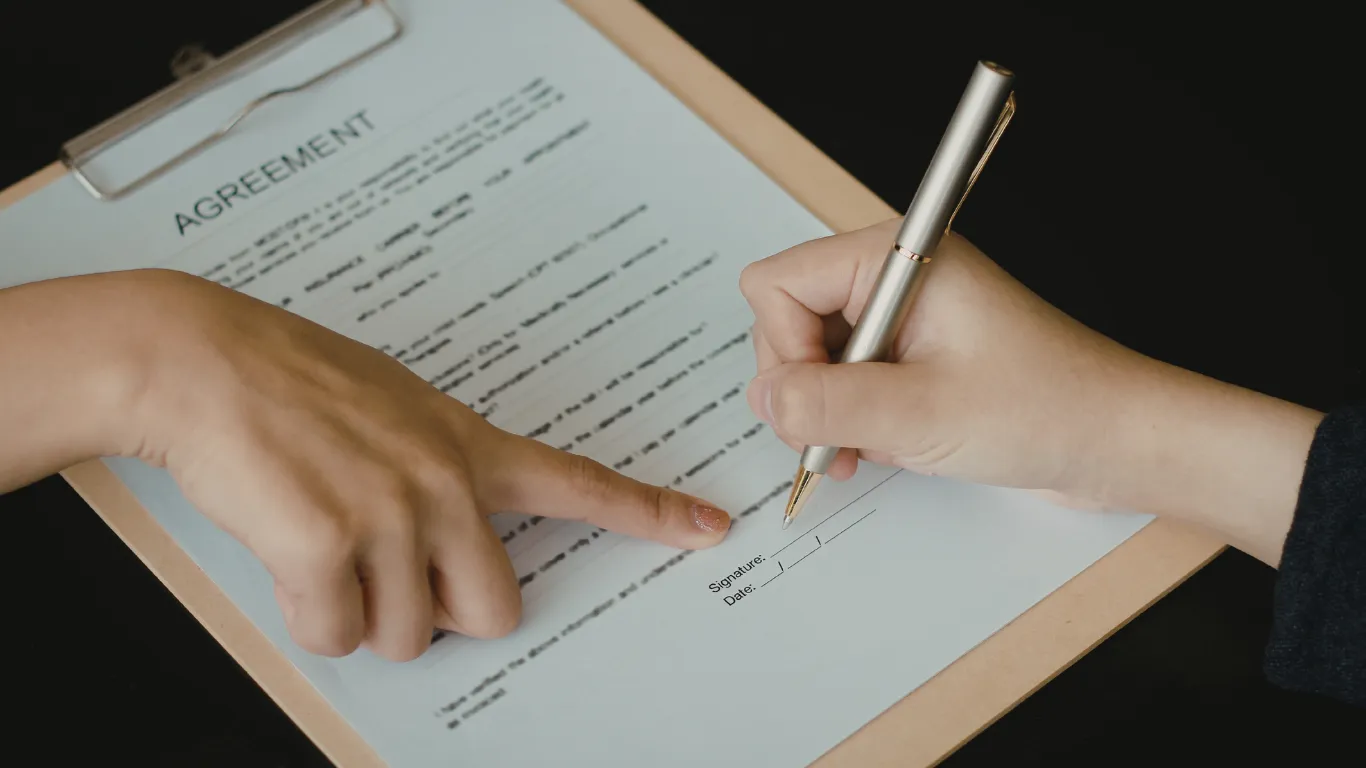
Signing records without fully understanding them
This is an extremely common mistake.
Working records are procedural documents that may be used as evidence. Signing them without fully understanding the content, or without correcting mistranslations, carries significant legal risks.
The role of a lawyer when foreigners work with the police
At this stage, a lawyer’s role is to:
explain your rights and obligations;
help you understand your legal status;
assist in communication with investigating authorities;
minimize risks arising from early mistakes.
Under Vietnamese law, summoned persons, detainees, and suspects all have the right to involve a lawyer at an early stage.
A lawyer experienced in working with foreign clients will pay special attention to:
language and interpretation issues;
consular rights (in certain cases);
risks related to visas, residence status, and deportation.
In what situations does DEDICA Law support foreigners?
In practice, DEDICA Law regularly advises and protects the rights of:
foreigners invited to work with or investigated by the police in criminal cases in Vietnam;
foreigners who are victims in cases involving property, health, or reputation;
family members of foreigners who have been arrested, detained, or temporarily detained;
cases requiring a lawyer to work with the police, the procuracy, or the courts.
We always approach each case cautiously, lawfully, and with the goal of maximizing our clients’ legitimate rights, without making promises beyond legal limits.
Legal disclaimer: Each case has different circumstances. This article is for reference only and does not replace official legal advice after reviewing specific case files.
If you or your loved one is a foreigner who has been called by the police, do not let fear push you into hasty decisions.
Are you facing a similar situation?
Contact DEDICA Law to receive a suitable legal strategy from our lawyers before making any decisions.
📞 Hotline: (+84) 39 969 0012 (WhatsApp, WeChat & Zalo available)
🕒 Working hours: Monday – Friday (8:30 – 18:00)
Contact us now for a free initial consultation from our professional legal team.