
No table of contents available
In cross-border criminal matters, one issue that often causes confusion for foreign individuals and businesses in Vietnam is extradition. Questions frequently arise when a Vietnamese national commits a crime abroad, or commits an offense involving foreign parties and is later requested for extradition.
Foreign victims, business partners, or employers often ask:
If a Vietnamese national commits a crime and is subject to extradition, how is the case handled under Vietnamese law?
Understanding how extradition works in Vietnam is important for foreigners involved in criminal cases, commercial disputes with criminal elements, or cross-border investigations.
Extradition is a legal process by which one country hands over a person to another country for criminal prosecution or enforcement of a criminal sentence.
In Vietnam, extradition is governed by:
Vietnamese criminal law
Laws on mutual legal assistance
International treaties to which Vietnam is a party
Extradition is not automatic. Each request is assessed based on legal, diplomatic, and human rights considerations.
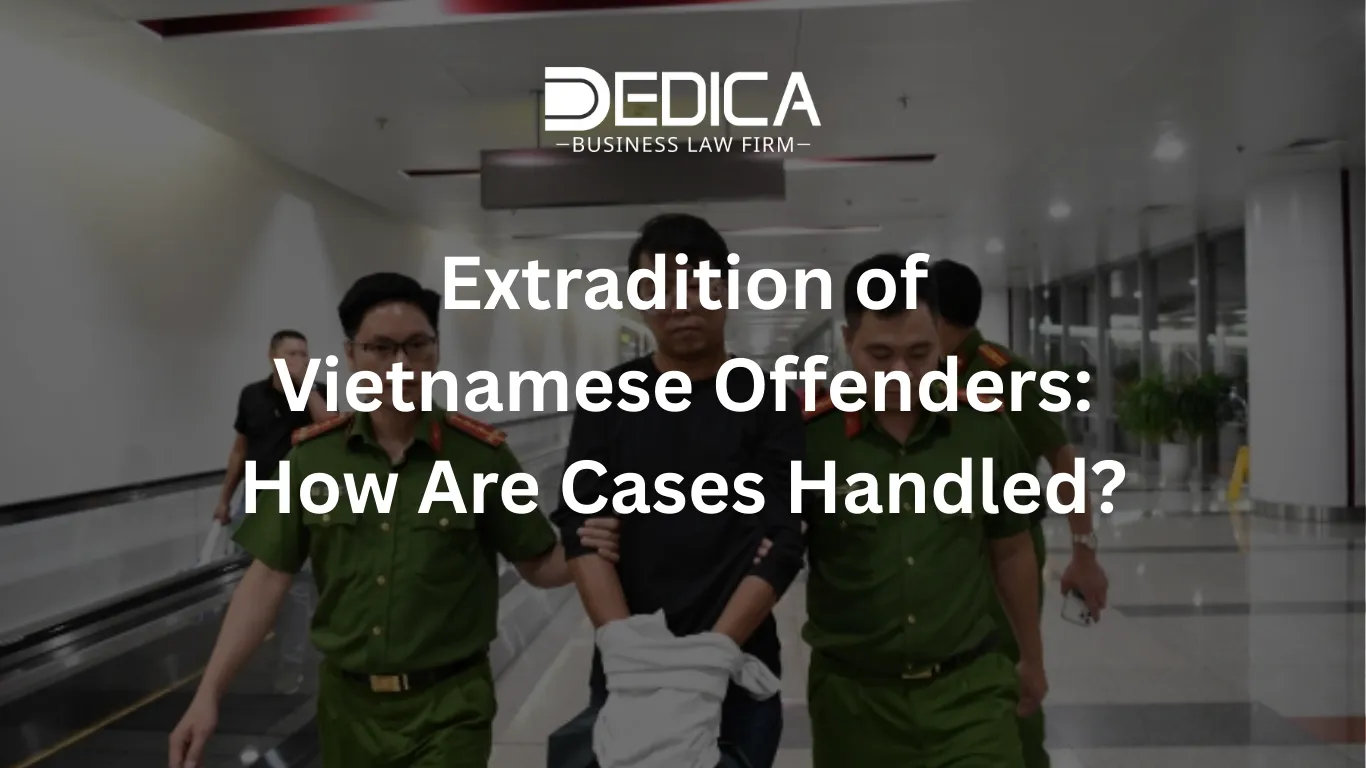
This is one of the most critical points for foreign parties to understand.
Vietnam generally does not extradite its own nationals, unless an international treaty specifically provides otherwise.
In most cases:
Vietnamese citizens are not extradited to foreign countries
Vietnam retains the right to prosecute its citizens domestically
This principle exists to protect national sovereignty and citizens’ rights.
When a Vietnamese national is accused of committing a crime abroad and extradition is requested, Vietnam may choose an alternative approach.
Common outcomes include:
Refusal of extradition
Domestic criminal prosecution in Vietnam
Cooperation through mutual legal assistance
This means the offender may still face criminal consequences—but under Vietnamese jurisdiction, not foreign courts.
Yes. Under certain conditions, Vietnam may prosecute its citizens for crimes committed outside Vietnamese territory.
This usually applies when:
The conduct is criminalized under Vietnamese law
The offense affects Vietnamese interests or foreign victims
There is sufficient evidence provided through legal channels
For foreign victims, this means accountability is still possible—even if extradition is denied.
Foreign individuals or companies may be involved as:
Victims of fraud or financial crimes
Parties to cross-border criminal disputes
Employers or business partners
Vietnamese authorities may:
Request evidence from foreign victims
Accept complaints filed through proper legal channels
Cooperate with foreign authorities
However, procedures must follow Vietnamese legal standards, not foreign expectations.
Extradition decisions depend heavily on:
Bilateral extradition treaties
Multilateral conventions
Reciprocity principles
If Vietnam and the requesting country have a valid extradition treaty, extradition may be possible, subject to conditions such as:
Dual criminality
Severity of the offense
Protection of human rights
Without a treaty, extradition is far less likely.
Foreign individuals and businesses often misunderstand extradition in Vietnam, assuming that:
A foreign arrest warrant guarantees extradition
Criminal complaints abroad automatically apply in Vietnam
Diplomatic pressure ensures extradition
In reality, Vietnamese domestic law controls the process, and foreign expectations do not override local legal requirements.
Even when extradition is denied, foreign victims may still pursue:
Civil compensation claims in Vietnam
Criminal complaints under Vietnamese law
These processes are separate from extradition and may offer practical recovery options.
Understanding which path is available—and realistic—is crucial.
Extradition-related matters involve:
Criminal law
International law
Diplomatic procedures
Language and evidence challenges
Foreign parties without local legal representation often struggle to navigate these complexities effectively.
Delays or procedural errors may result in:
Loss of evidence
Rejection of complaints
Missed limitation periods
Early legal advice helps ensure that:
Complaints are properly framed
Evidence is preserved
The correct legal channels are used
In extradition-related cases, strategy matters as much as substance.

For foreign individuals and companies, it is essential to work with a law firm that:
Understands Vietnamese criminal and extradition law
Has experience coordinating with foreign authorities
Communicates clearly in English and other languages
Understands international business and cultural context
Missteps in extradition-related matters can permanently limit legal options.
DEDICA provides legal services for foreign individuals and foreign-owned businesses in Vietnam, including matters involving criminal allegations, extradition requests, and cross-border legal cooperation.
DEDICA assists clients by:
Explaining extradition rules under Vietnamese law
Advising on whether extradition is possible or likely
Supporting criminal complaints and domestic prosecution
Coordinating with foreign lawyers and authorities
Representing clients before Vietnamese authorities and courts
DEDICA focuses on legal clarity, strategic positioning, and practical outcomes for international clients.
When a Vietnamese national commits a crime and extradition is requested, the case is handled primarily under Vietnamese law.
Extradition of Vietnamese citizens is limited, but this does not mean offenders escape responsibility. Vietnam may prosecute domestically or cooperate through legal assistance mechanisms.
For foreign individuals and businesses involved in such cases, understanding the extradition framework—and acting strategically—is essential.
📞 Hotline: (+84) 39 969 0012 (Available via WhatsApp, WeChat, Zalo)
🕒 Working Hours: Monday – Friday (8:30 – 18:00)
Contact us today for a free initial consultation with our experienced lawyers!

Select a platform to view details


