Establishing and operating logistics and warehousing companies in Vietnam requires FDI enterprises to clearly understand not only the initial investment procedures but also the full range of legal obligations during business operations. As Vietnam emerges as a logistics hub in the region, the sector is regulated by a complex framework of laws, decrees, and international commitments.
This article provides key legal insights for FDI management teams operating in the logistics and warehousing sector in Vietnam.
Legal Framework Governing Logistics and Warehousing Activities in Vietnam
Logistics activities in Vietnam are not governed by a single law but by a combination of different legal instruments. Understanding the correct scope of application is the first step for managers to avoid legal risks.
How Is Logistics Defined Under Vietnamese Law?
According to Article 233 of the 2005 Commercial Law, logistics services are commercial activities whereby traders perform one or more tasks such as:
Receiving goods
Transportation
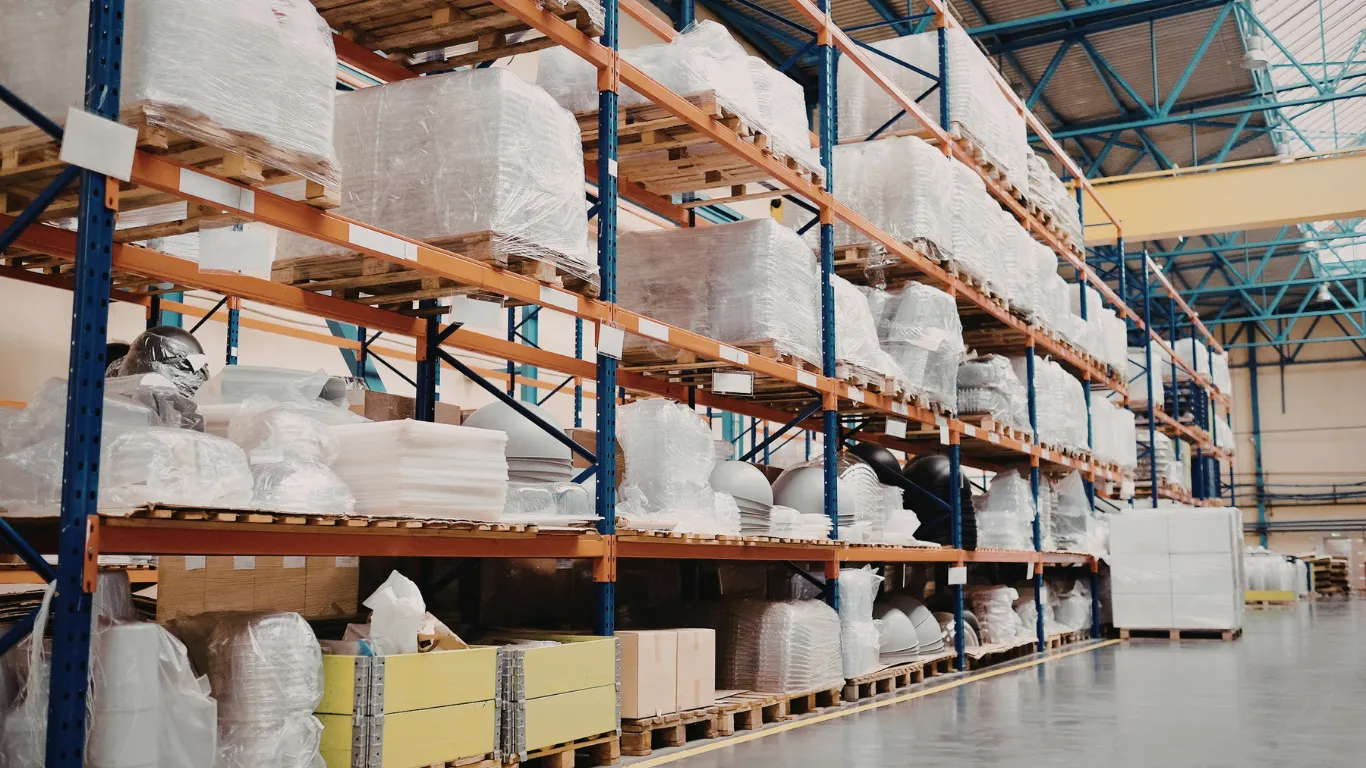
Warehousing and storage
Customs procedures
Customer consulting
Other services related to goods as agreed by the parties
Practical Note
Vietnamese law does not issue a single license for a “logistics company.”
Instead, each specific logistics activity (transportation, warehousing, forwarding, last-mile delivery, etc.) is subject to its own investment conditions and licensing requirements.
Core Legal Documents FDI Enterprises Must Understand
Foreign-invested logistics and warehousing companies in Vietnam are regulated by:
Investment Law 2025 – regulates market access conditions for foreign investors
Enterprise Law 2020 – corporate governance structure and internal management obligations
Commercial Law 2005 – legal foundation for logistics services
Decree 163/2017/ND-CP (amended by Decree 10/2023/ND-CP) – detailed regulations on logistics services
WTO, CPTPP and EVFTA commitments – directly affecting foreign ownership ratios and investment structures
In practice, incorrectly identifying the registered investment business lines is a common reason why companies may:
Be refused sub-licenses
Be unable to claim tax deductions
Face administrative penalties during inspections

Conditions for Establishing Foreign-Invested Logistics and Warehousing Companies
The establishment phase is the first legal hurdle, but it is not necessarily the stage with the highest risk. Many risks are often hidden within the investment structure.
Market Access Conditions for Foreign Investors
Under Section 11 of Commitment 318/WTO-CK regarding Vietnam’s WTO accession commitments, transport services are subject to certain foreign ownership limitations:
Road transport: maximum 51% foreign ownership
Inland waterway transport: maximum 49% foreign ownership
Some services require joint ventures with Vietnamese partners
Some services allow 100% foreign ownership (e.g., warehousing or logistics agency services that do not directly conduct transportation)
Many investors use a holding company structure in a third country, but such investors may still be considered foreign investors, leading to violations of market access conditions.
Licenses and Procedures After Company Establishment
In addition to the Investment Registration Certificate (IRC) and Enterprise Registration Certificate (ERC), logistics companies often need additional licenses such as:
Transport business license (if transportation services are provided)
Fire prevention and fighting approval for warehouses
Environmental license (for large warehouses or fulfillment centers)
Foreign labor registration and work permits for foreign experts
Quick Checklist for CEOs
Are the registered business lines consistent with actual operations?
Does the foreign ownership ratio comply with international commitments?
Have the risks relating to sub-licenses been assessed?
Compliance Obligations During Logistics Operations
This is the area that FDI enterprises often underestimate, yet it is a major source of disputes and administrative penalties.
Tax and Transfer Pricing in Logistics & Supply Chains
Logistics companies typically incur:
According to Article 9 of the 2024 Value-Added Tax Law, VAT applicable to logistics enterprises may be 0% or 8%, depending on the type of service.
Other obligations include:
Corporate Income Tax (CIT)
Transfer pricing obligations if related-party transactions exist
Inspection Practice
Vietnamese tax authorities pay particular attention to:
Internal logistics service fees
Allocation of ASEAN regional warehousing costs
Service contracts between parent companies and subsidiaries
Labor, Safety, and Employer Responsibilities
Under the Labor Code 2015, logistics enterprises must ensure:
Proper labor contract types
Compliance with working hours and overtime regulations
Occupational safety and hygiene (especially in warehouses and automation environments)
Common Risks
Retroactive social insurance payments
Labor disputes involving dismissal or workplace accidents
Criminal liability in cases of serious safety violations
Logistics Contracts and Typical Disputes
Contracts are the backbone of logistics operations, yet they are often copied from international templates without localization for Vietnam.
Contract Clauses That Must Be “Localized” for Vietnam
Liability limitation clauses
Exemption clauses
Governing law and dispute resolution mechanisms
Force majeure provisions
Practical Warning
Vietnamese courts do not automatically recognize liability limitation clauses if they contradict the Commercial Law or infringe the rights of the weaker party.
Common Logistics Disputes in Vietnam
Typical disputes include:
Loss or damage of goods in warehouses
Delays in e-commerce delivery
Disputes over storage fees and demurrage
Disputes with last-mile delivery partners
Legal Solutions for FDI Logistics Enterprises in Vietnam
DEDICA recommends that logistics FDI enterprises:
Build a Legal Framework From the Beginning
Review investment structures
Design standardized logistics contract templates
Develop compliance checklists for each department
Use Ongoing Legal Services Instead of Crisis Management
An outsourced legal department helps to:
Prevent risks before regulatory inspections
Reduce dispute resolution costs
Ensure operations comply with Vietnamese law and international standards
Conclusion
Establishing and operating logistics and warehousing companies in Vietnam is not merely an investment matter but a long-term legal challenge. Misunderstanding or overlooking compliance obligations may cause enterprises to:
Lose competitive advantages
Face significant disputes
Be fined or even suspended from operation
Foreign investors must not only understand legal regulations but also effectively control compliance risks throughout their operations. A well-structured legal strategy from the beginning will help logistics FDI enterprises reduce disputes, optimize costs, and develop sustainably in Vietnam.
If you are looking for specialized legal solutions for logistics law in Vietnam, DEDICA Law Firm is ready to support your business.
Contact DEDICA Law Firm
📞 Hotline: (+84) 39 969 0012 (WhatsApp, WeChat, Zalo supported)
🕒 Working hours: Monday – Friday (8:30 – 18:00)
Contact us now to receive a free initial consultation from our professional legal team.