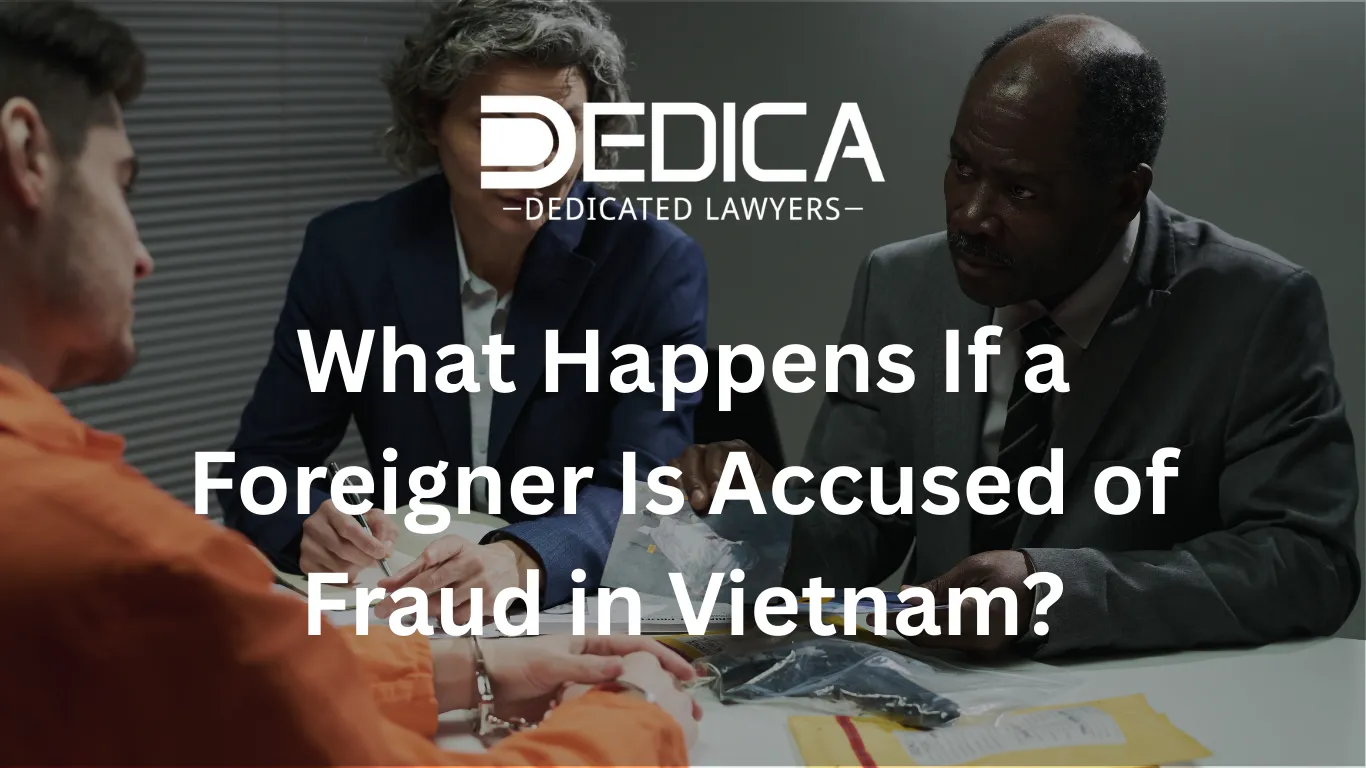
Being accused of fraud in Vietnam is a major fear for many foreigners living, working, or investing here. Receiving a police summons, being detained, or hearing that a family member has been arrested can naturally cause panic.
This article helps you understand the legal process when a foreigner is accused of fraud in Vietnam, the applicable laws, and appropriate solutions to protect your rights safely and lawfully.
Legal Regulations on Fraud and Jurisdiction Over Foreigners
When a foreigner is accused of fraud in Vietnam, the first question is often: “Does Vietnam have the right to try me?”
The answer depends on where the alleged act occurred and the provisions of the Criminal Code.
Can Foreigners Be Prosecuted in Vietnam?
Under Article 5 of the 2015 Criminal Code (amended 2017), foreigners who commit crimes within Vietnamese territory are subject to criminal liability under Vietnamese law, except in special cases.
Fraudulent appropriation of property is regulated under Article 174 of the Criminal Code. Depending on the value of the allegedly appropriated property and the nature of the act, penalties range from non-custodial reform to fixed-term imprisonment. In serious cases, penalties may be higher.
However, it is important to note:
Being accused does not automatically mean being guilty.
Investigative authorities must prove all elements of the offense.
The accused has the right to defense, including the right to have a lawyer participate from the investigation stage under the 2015 Criminal Procedure Code.
In many cases, what appears to be a “civil dispute” may be criminally prosecuted due to an alleged initial element of deception. Distinguishing between the two is critically important.
Investigation Procedure When a Foreigner Is Accused
The typical process includes:
Receiving criminal denunciations or reports.
Verification, taking statements, collecting evidence.
Decision to initiate a criminal case and prosecute the accused (if sufficient grounds exist).
Applying preventive measures: temporary detention, custody, travel restrictions, or bail.
Authorities may notify the relevant consular office under the Vienna Convention on Consular Relations. However, this does not change Vietnam’s criminal jurisdiction.

Legal Risks and Possible Consequences
The biggest concerns usually involve detention, imprisonment, and deportation. Each case, however, is different.
Is Imprisonment or Deportation Inevitable?
There is no universal answer.
Penalties depend on:
The value of the property involved.
The role of the accused.
Whether deception existed from the beginning.
Cooperation and remediation efforts.
In addition to the main penalty, deportation may be imposed under Article 37 of the Criminal Code. However, deportation is not automatic and is decided by the Court based on the specific case.
DEDICA emphasizes that the goal is not to promise “no imprisonment,” but to objectively assess the case and develop strategies to minimize legal risks under current law.
Common Mistakes That Worsen the Situation
Common errors include:
Leaving Vietnam without permission.
Ignoring official summons.
Giving statements in Vietnamese without full understanding.
Signing documents without a lawyer or independent interpreter.
These actions may be considered non-cooperation and increase the risk of detention.
Early lawyer involvement helps:
Protect the right to silence and against self-incrimination.
Monitor the legality of interrogations.
Develop defense strategies, including negotiating civil compensation where appropriate.

Legal Solutions
When the issue arises, acting promptly and correctly is crucial.
Immediate Steps to Protect Your Rights
Stay calm.
Request a lawyer before official questioning.
Gather contracts, bank transfers, emails, messages, and related documents.
Consider remediation if actual damage exists.
The line between contractual disputes and criminal fraud can be very thin. Analyzing the nature of the transaction, initial intent, and financial flow is key.
Cases involving foreign elements are often more complex due to bilingual contracts, cross-border transactions, international transfers, and investment or M&A factors.
Each case is unique, and outcomes depend on legal factors, evidence, and procedural assessments. This article is for informational purposes only and does not replace specific legal advice.
Being accused of fraud in Vietnam does not mean all doors are closed. Understanding your rights and having a proper legal strategy from the beginning is essential.
Are you facing a similar issue?
Contact DEDICA Law Firm for in-depth legal advice.
📞 Hotline: (+84) 39 969 0012 (WhatsApp, WeChat, Zalo supported)
🕒 Working hours: Monday – Friday (8:30 – 18:00)
Contact us now for your first free consultation with our professional legal team.